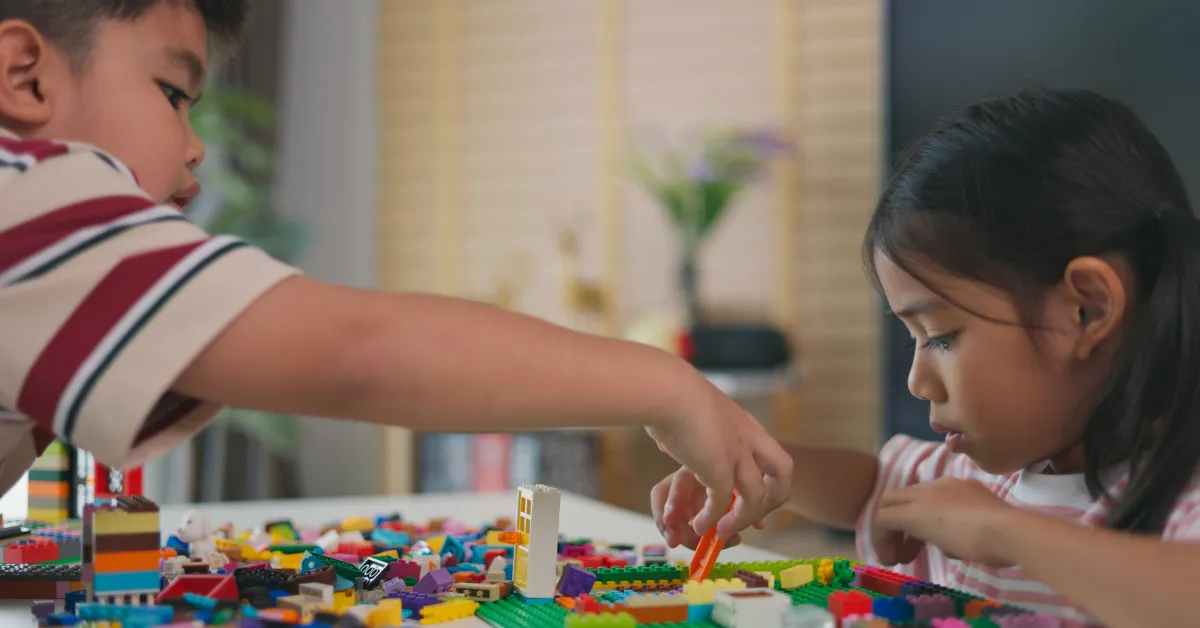
Free play and innovation
Coming up with ideas, trying them out, improving them and getting along with others are skills companies look for today. We explain how children practise them in free play.
In free play, children decide what they want to do, how to do it, and who to do it with. Making their own choices boosts confidence in their ability to navigate challenges, which is essential for self-agency. Children with self-agency feel in control of their lives, which reduces anxiety and boosts their ability to face new situations.
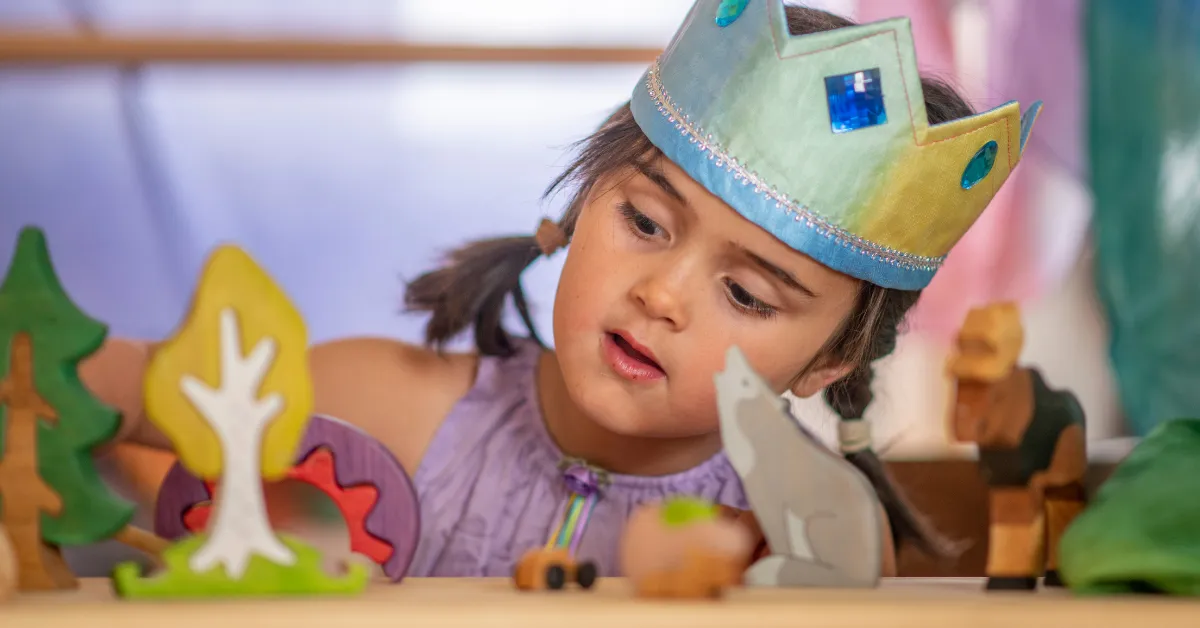
In free play, kids have the freedom to invent games, create stories, and explore roles. This open-ended activity allows them to stretch their imagination, which is a foundation for creative problem-solving skills in later life.
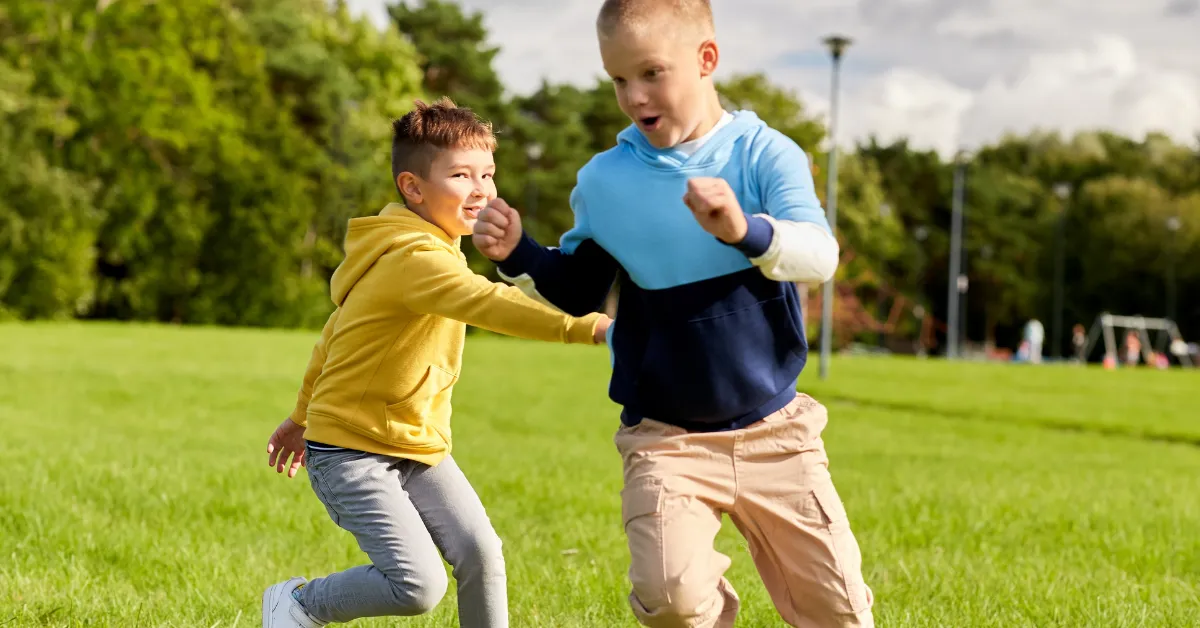
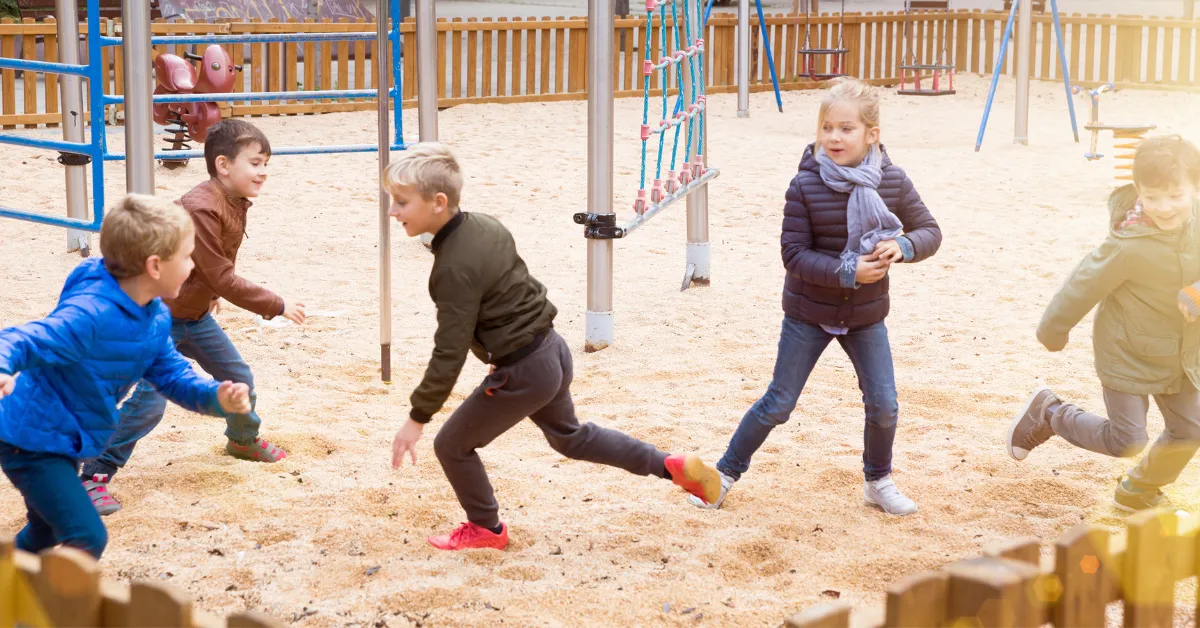
Free play as opposed to specialized training develops fundamental motor skills such as running, jumping, and throwing and gets children moving more intensely for longer.
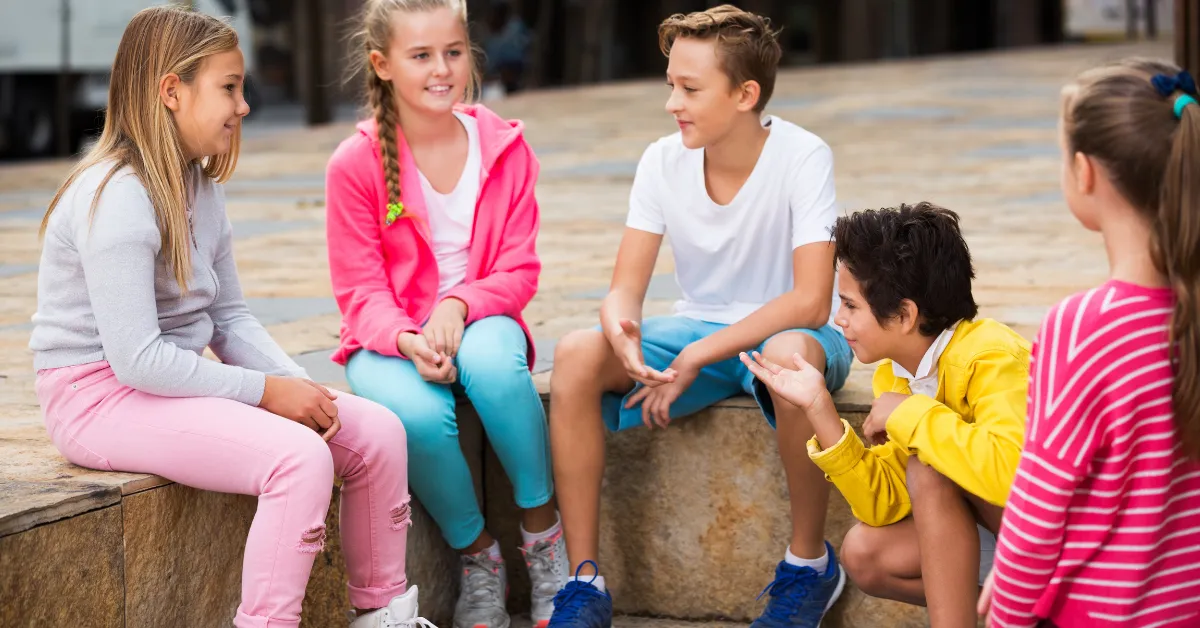
Free play allows children to interact with others and learn how to navigate social situations. They practice sharing, taking turns, and working through disagreements which helps them develop social and emotional skills such as communication, cooperation, and empathy.
Free play gives children a chance to unwind and release cumulated energy in a low-pressure environment. It allows kids to express themselves without fear of judgment or pressure to achieve specific goals.
Coming up with ideas, trying them out, improving them and getting along with others are skills companies look for today. We explain how children practise them in free play.
Free play looks different when a child plays alone, with one friend or in a bigger group. We describe these three kinds of play and what children learn from each.
When children went from house to house on their own, they got to know other families and other ways of doing things. We write about a lesser-known benefit of free play: a wider view of the world.
In free play children set the rules and settle arguments themselves, because otherwise the game ends. We explain why this is good practice in cooperation.
Children who play freely with their friends usually move more than they do in organised activities. We explain why this matters at a time when more and more children struggle with overweight and obesity.
Free play helps children grow up healthy, but above all it gives them joy. We describe five reasons why children love it so much.