Basics
What is Free Play?
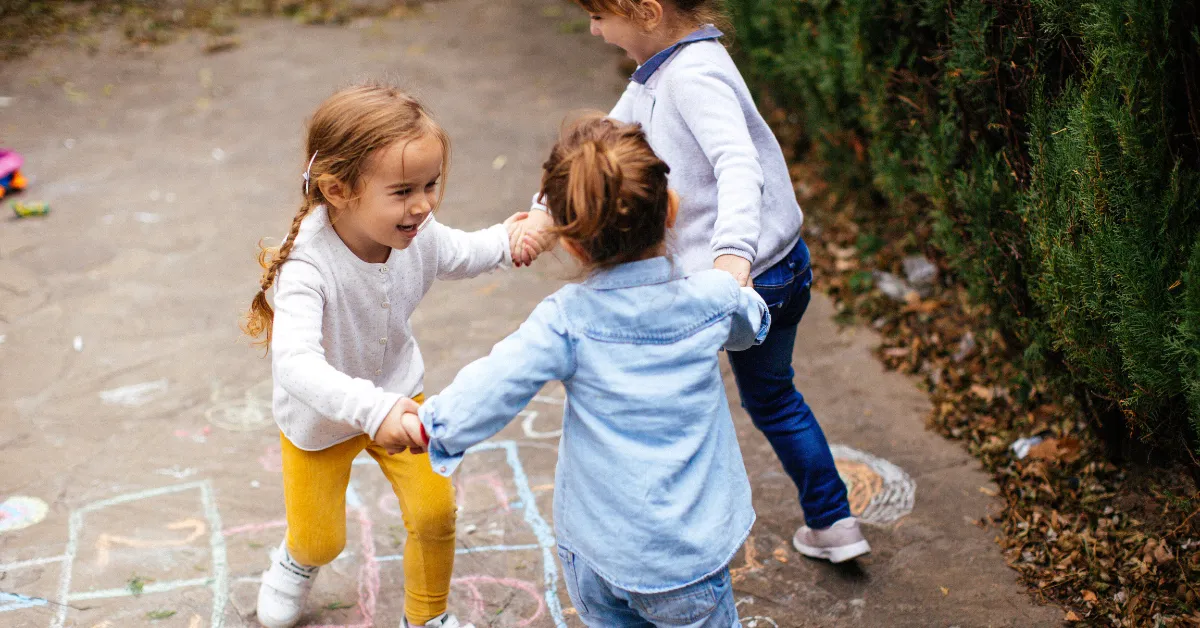
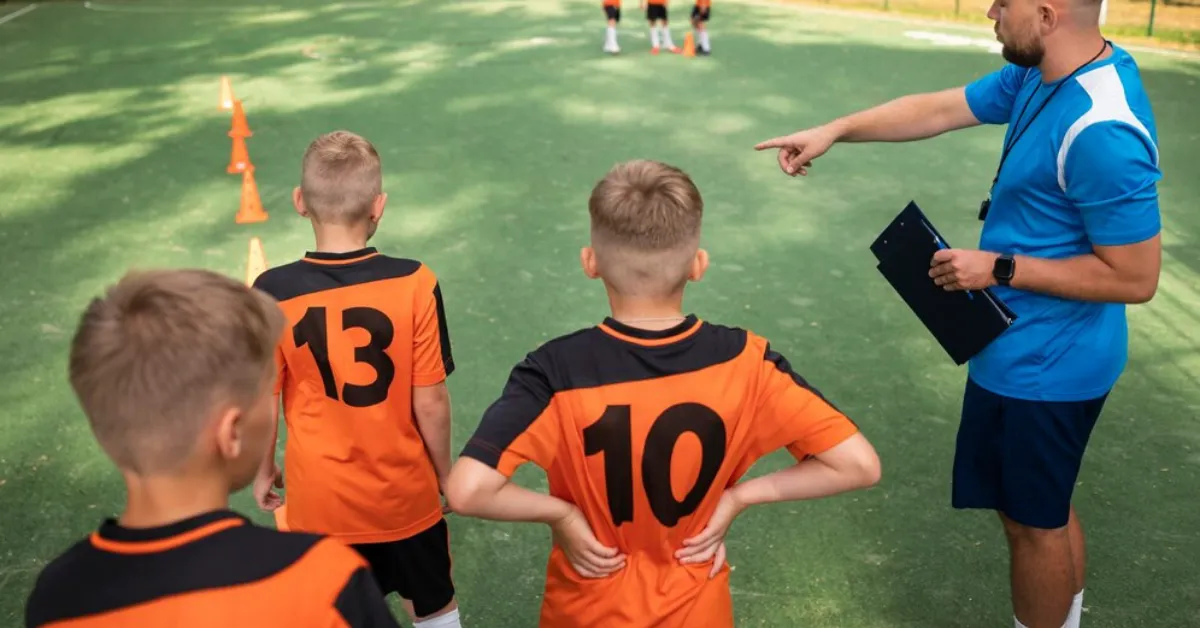
Unlike structured play that has a set of rules and objectives, unstructured free play is free from adult intervention and allows children to create their own experiences and take decisions.
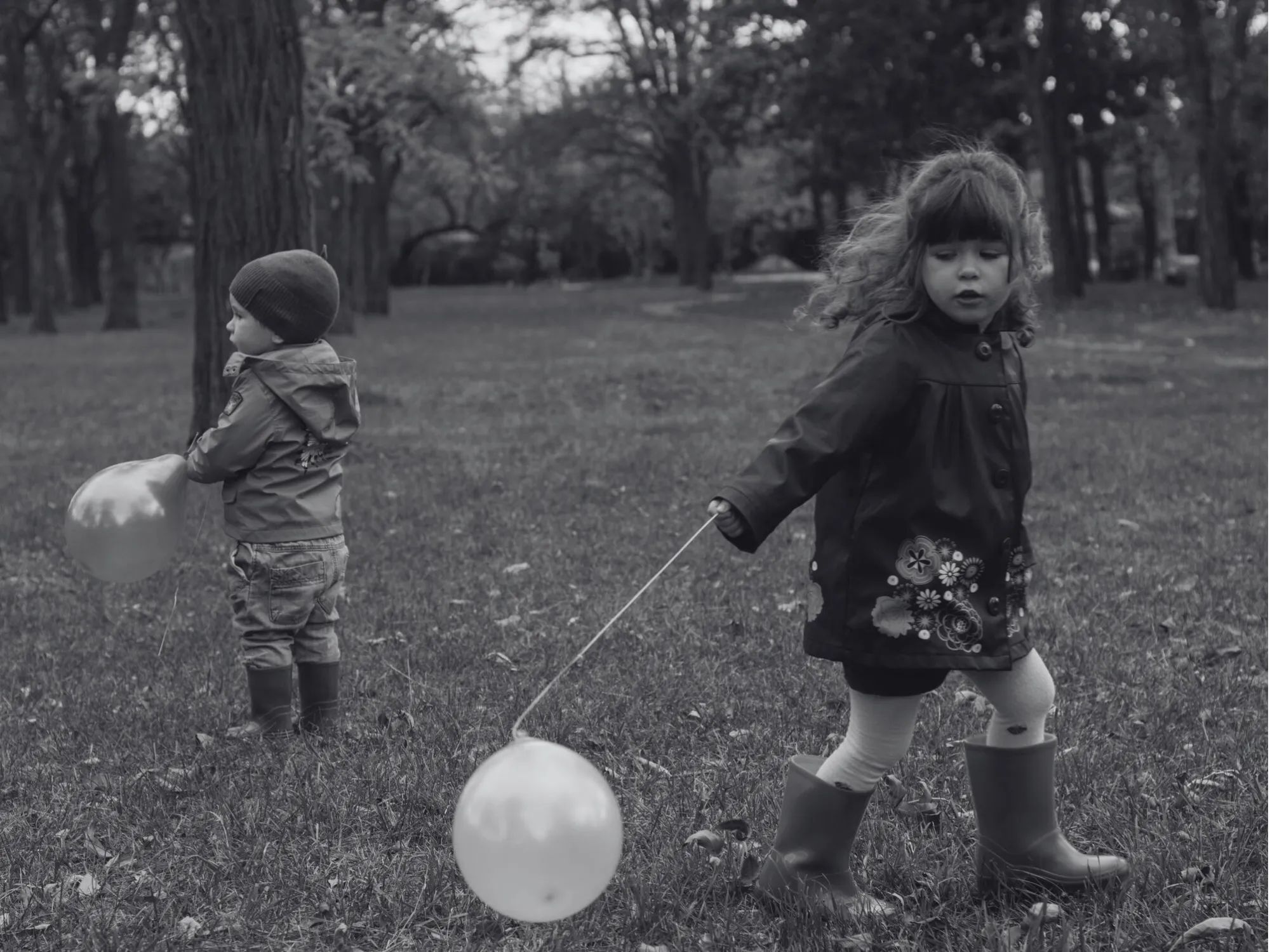
Children are playing less than ever, especially in spontaneous ways with their peers. Together, let’s figure out how can we bring back free play for their joy and wellbeing.
Basics
Unlike structured play that has a set of rules and objectives, unstructured free play is free from adult intervention and allows children to create their own experiences and take decisions.
Benefits
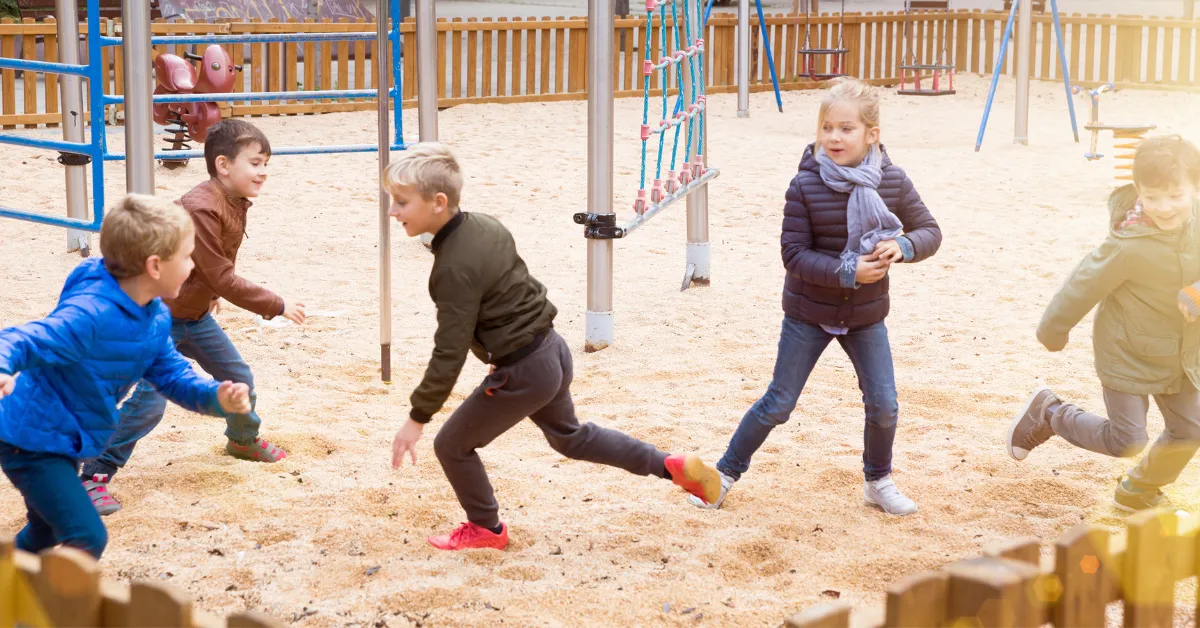
From mental resilience and self confidence to sociability and physical fitness, free play is an natural ingredient of our children's wellbeing. Explore it's multitude of benefits.
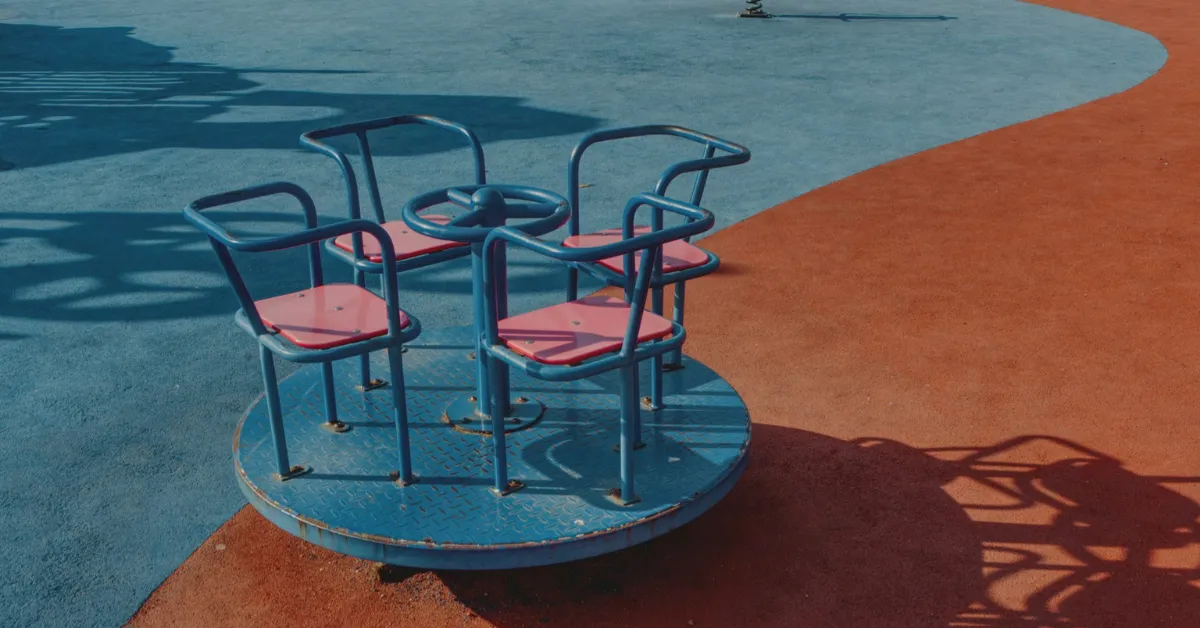
Decline
In our modern world, social play is in deep crisis. Active play among youngsters has plummeted by 50 percent over the last 40 years.
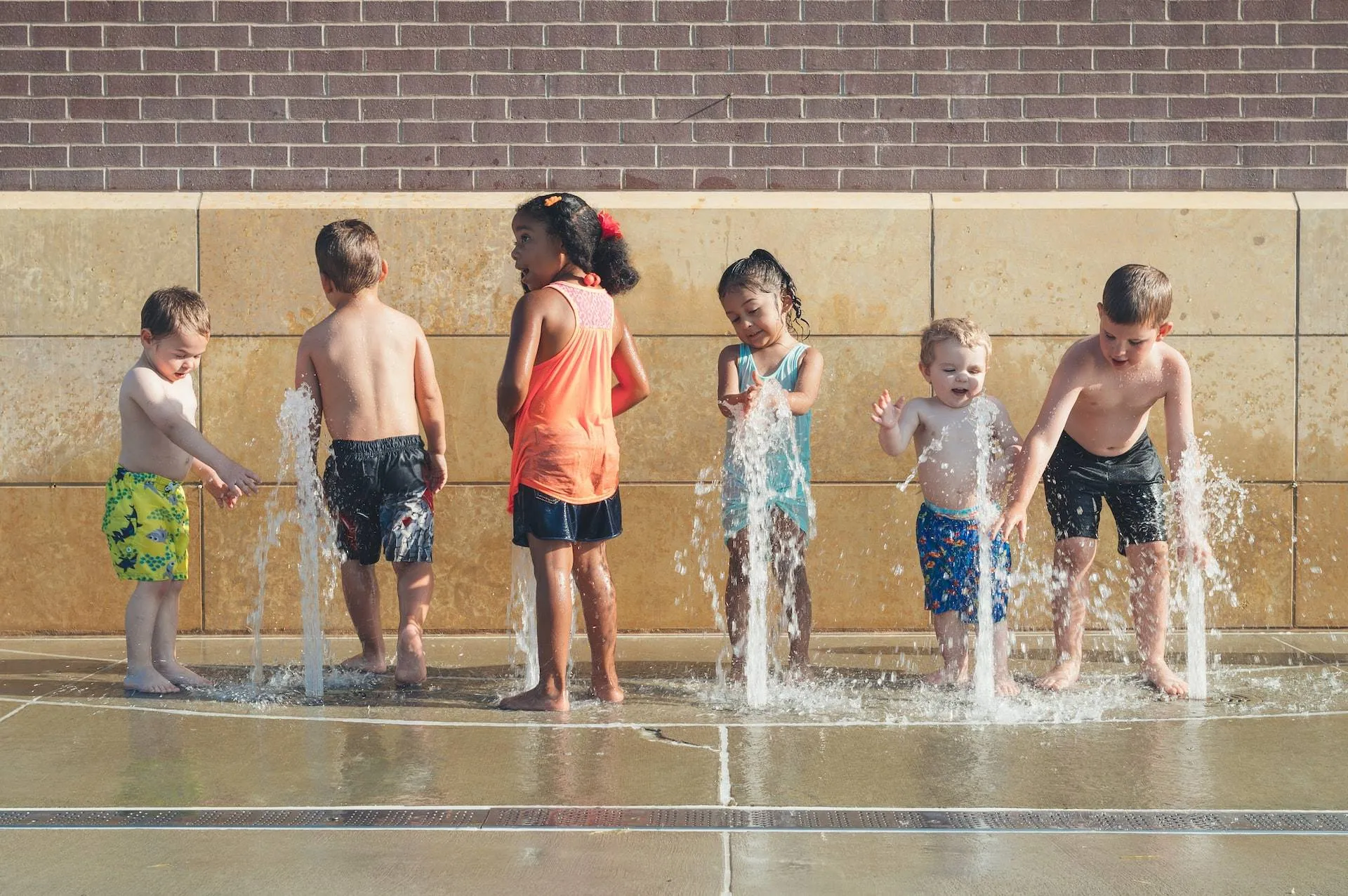
Restoration
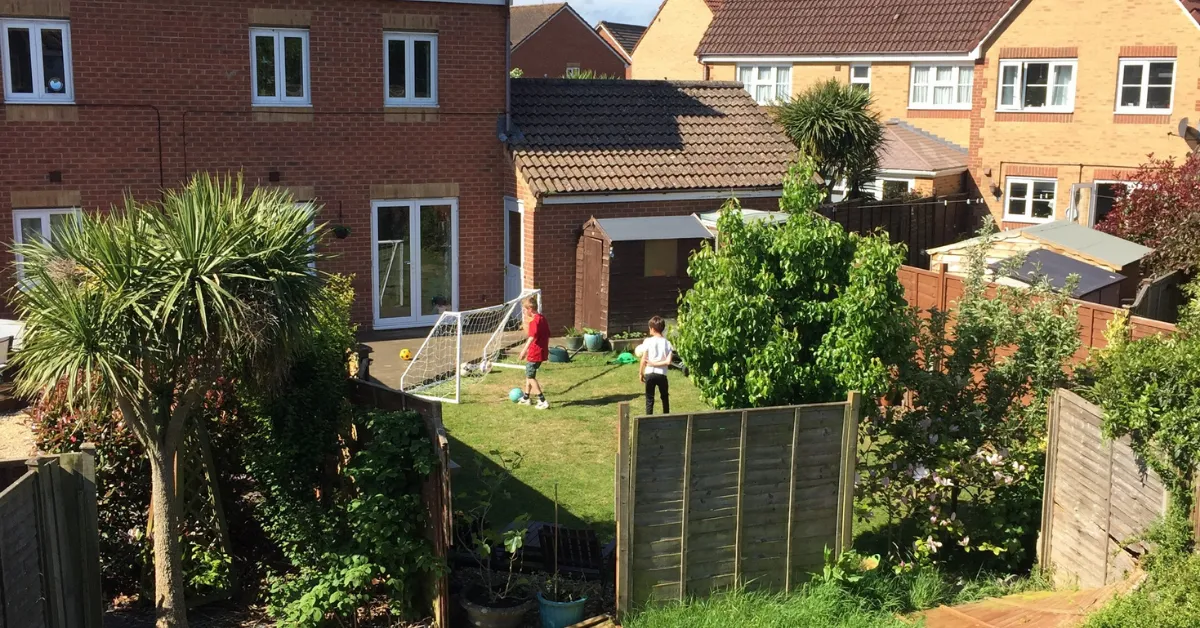
We know that free play is declining, and that this is a major problem. So, what can we do to help bring free play back to our children's lives?
According to research, free play brings children highest levels of joy and activity. No wonder, that its decline is contributing to a growing number of problems amongst the youngest: mental health issues, technology addiction, poor fitness and loneliness.

Decline
In a survey of more than 12,000 parents in 10 countries, over half said their children play outdoors for less than an hour a day. We discuss a World Economic Forum article on what has taken the place of play.
Restoration
Talks & workshops

Benefits
Restoration
Play is central to how children learn – how they make sense of their world, shape ideas and think creatively together.
Play Drive is a campaign to promote the importance of free play as a source of joy and wellbeing for our children.
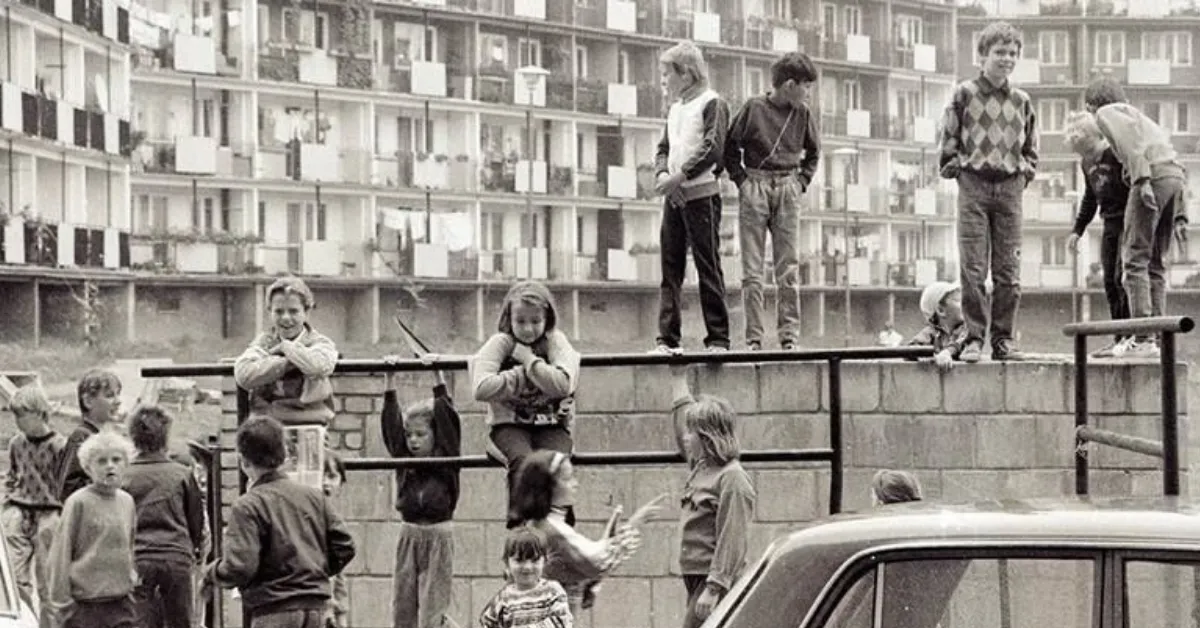
Play Drive’s Founder, Lukasz, was raised by a single mother in an apartment block in Poland during the 80s. Despite not having siblings he never felt lonely. Kids were always around ready to explore the surroundings, invent games and hang from monkey bars – the central meeting spot. This formative experience has led him to start Play Drive as an effort to preserve free play for future generations.