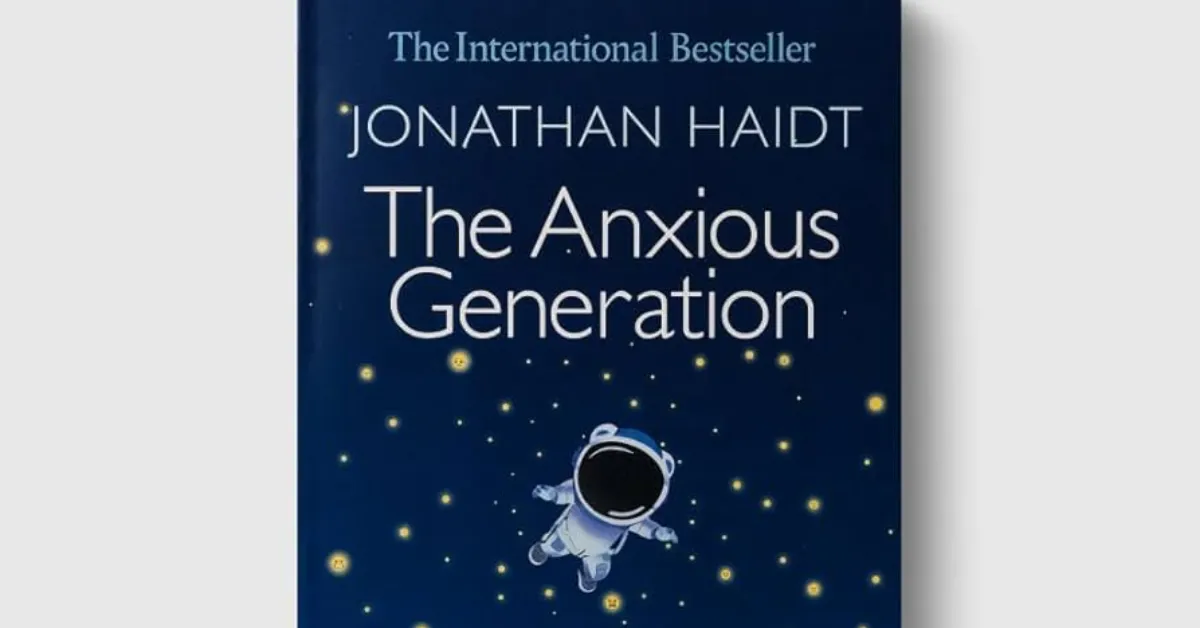
What “The Anxious Generation” says about free play
Jonathan Haidt links the rise in teenage anxiety to the loss of free play and the shift to a phone-based childhood. We summarise what he writes about play and the changes he proposes.
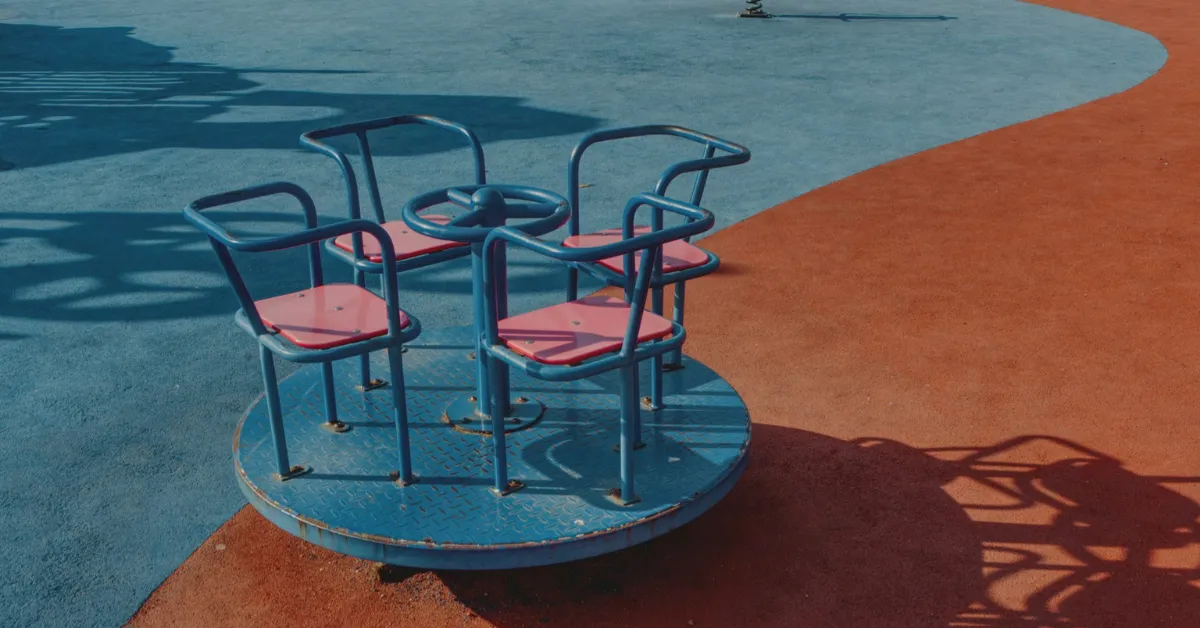
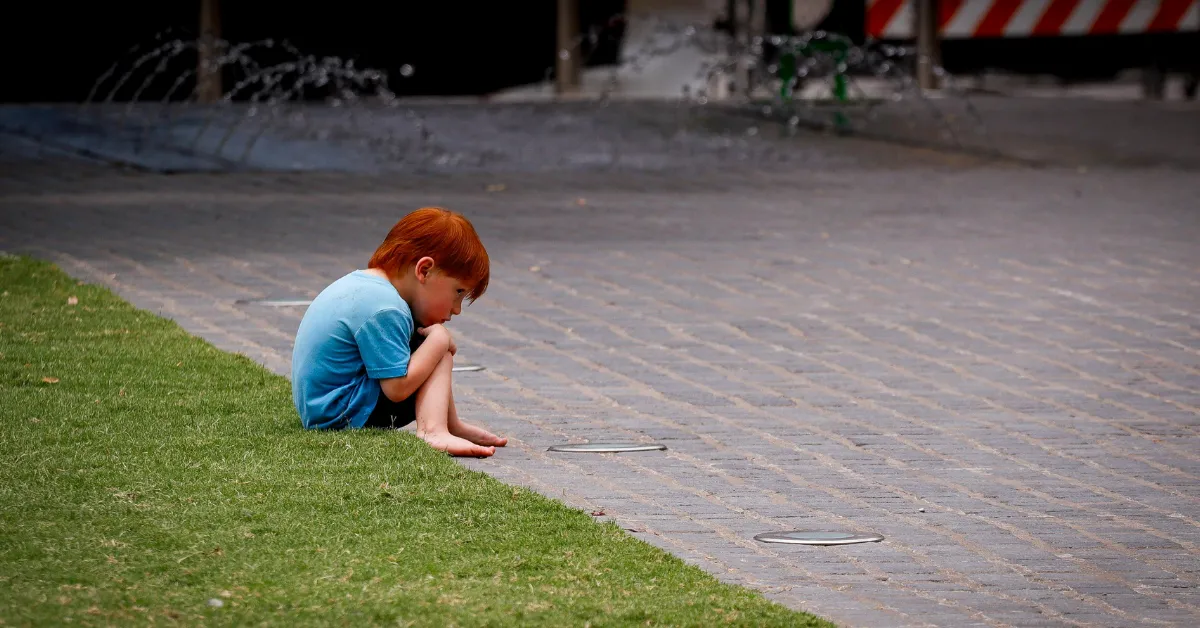
In today’s society, parents often view free play as an unproductive lazy-time. This belief is a misconception that fails to recognise the many benefits of free play for children’s development.
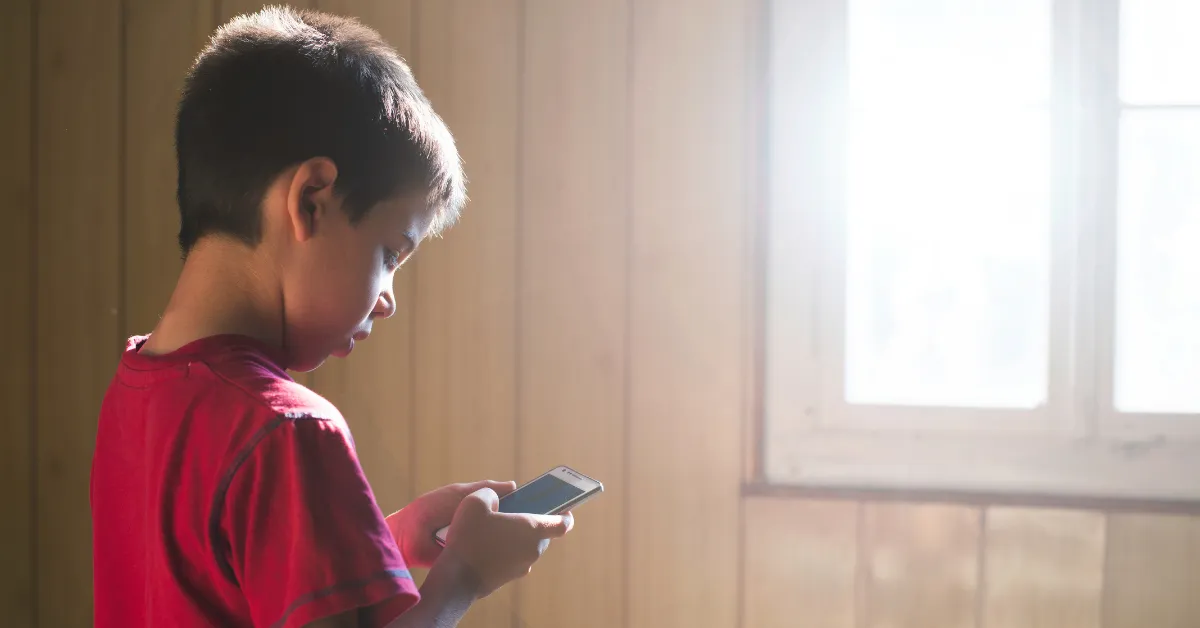
Children today have more access to technology and are spending more time on electronic devices such as smartphones, tablets, and computers. This leads to less time spent engaging in physical and social activities, such as free play.
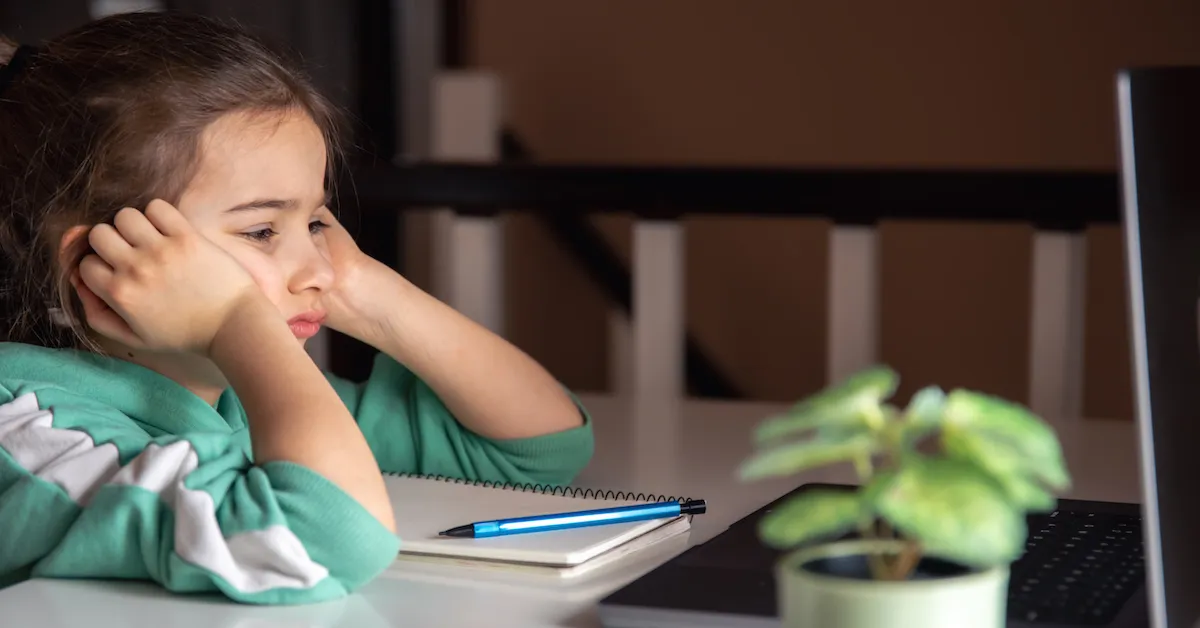
Many families today have busy schedules, with parents working long hours and children involved in a variety of activities such as sports, music lessons, and homework. This leaves less time for free play.
Some parents hesitate to let their children play outside or engage in unsupervised activities in the neighbourhood due to safety concerns such as traffic or crime.
Urbanisation, proliferation of cars and reduced access to public spaces also greatly limits opportunities for free play.
Jonathan Haidt links the rise in teenage anxiety to the loss of free play and the shift to a phone-based childhood. We summarise what he writes about play and the changes he proposes.
Anxiety in children has many causes, from diet to pressure from parents. We look at which of them connect to the loss of free play and what parents can change straight away.
Children meet the adult world earlier than they used to, yet start acting in it on their own later. We look at where this paradox comes from and what parents can do.
Often it’s us parents who make it hard for children to get together: we wait for a tidy house, snacks and a return invitation. We look at how to invite more simply and more often.
In a survey of more than 12,000 parents in 10 countries, over half said their children play outdoors for less than an hour a day. We discuss a World Economic Forum article on what has taken the place of play.
Peter Gray, a researcher of free play, links its decline to rising anxiety and depression in children. We summarise the key ideas from his 2011 article.