
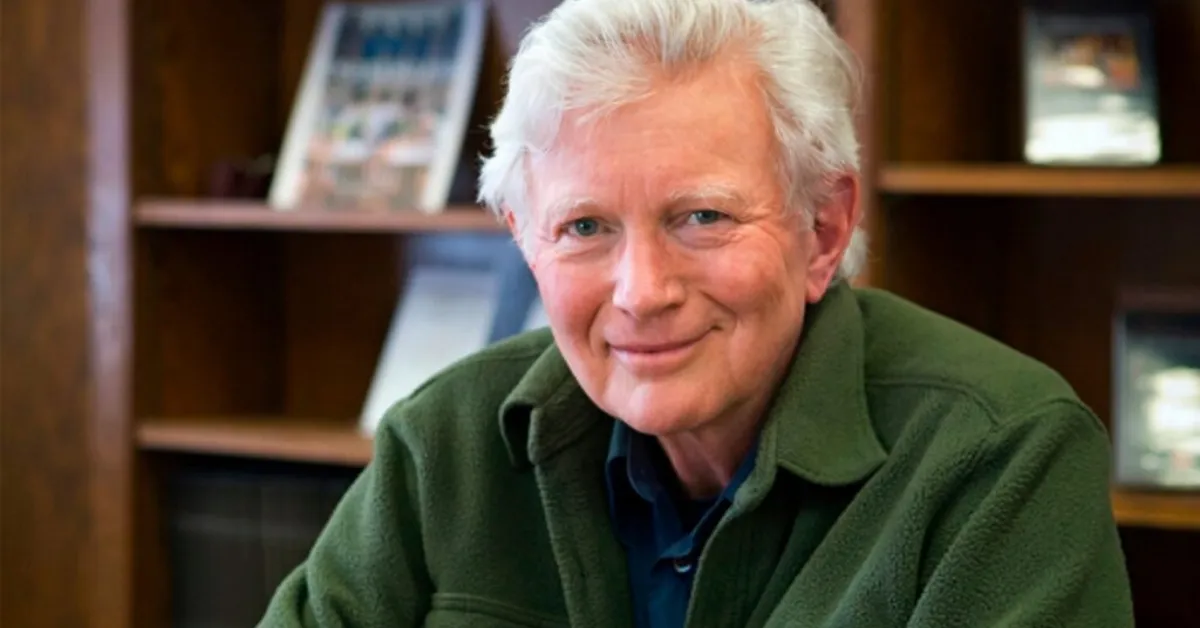
Peter Gray is a psychologist at Boston College and one of the best-known researchers of free play. In his widely discussed article The Decline of Play and the Rise of Psychopathology in Children and Adolescents (2011), he describes what happens when free play disappears from childhood. According to Gray, children need this kind of play for healthy social, emotional and cognitive development, and its decline is linked to rising depression, anxiety and other mental health problems. Here are the key ideas from the article.
Social development
In play, children learn to live with others. In free play they set roles and rules themselves, and along the way they practise communication, cooperation and resolving conflicts. For example, before a game of tag can start, children have to agree on the rules and on who is “it”.
Natural learning
Gray writes that play is a natural way of learning. At school children often take in knowledge passively, while in play they are active and decide for themselves what to do. They learn best when they are engaged and enjoying themselves.
The decline of play
Gray links the decline of free play to the rise in children’s mental health problems. Rigid schooling and growing screen time have sharply reduced the chances for free play, which contributes to more anxiety and depression.
According to Gray, learning through play needs plenty of free time: time when a child does what they want, without pressure, grades or adult interference.