
What is Free Play?
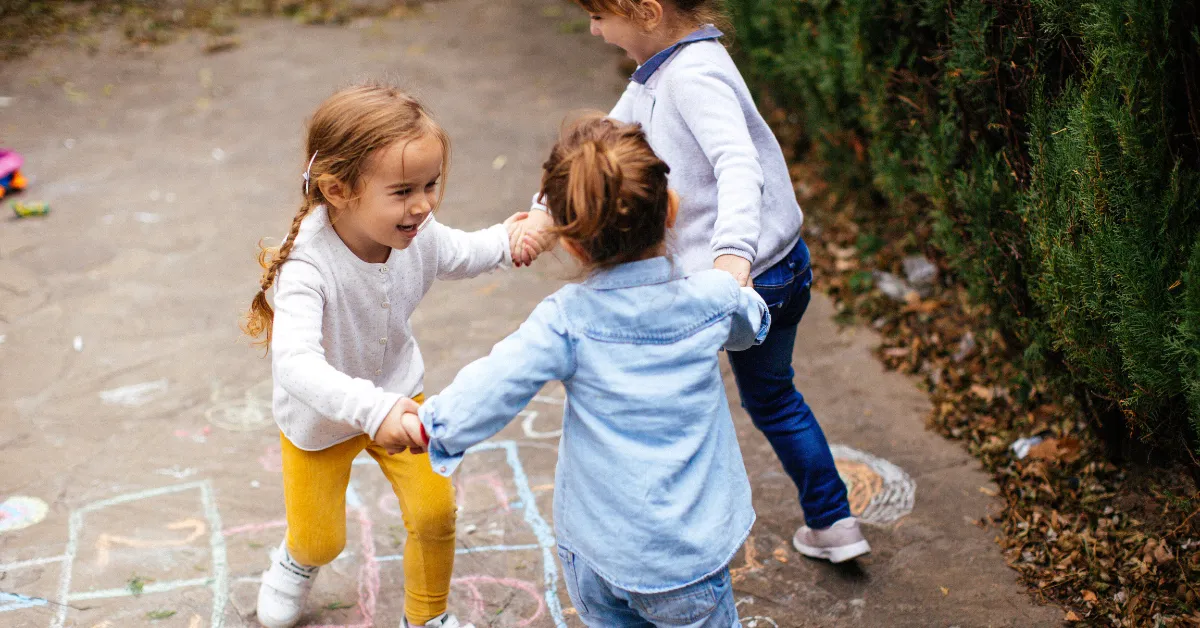
According to Peter Gray, a well-known psychologist who studies play, free play has several key characteristics that make it unique and important for development.
Freedom of Choice
In free play, children choose what to do. It’s self-directed, meaning there are no adults controlling the activity or telling them what to do.
Internal Motivation
The motivation for free play comes from within the child, not from external rewards or pressures. They engage in play simply because they enjoy it.
Creativity & Imagination
Children use their imagination to invent scenarios, create rules, and problem-solve as they go.
Flexible Structure
There are no set rules, instructions, or fixed outcomes. Free play is flexible, and children can change what they’re doing at any time.
Social Interaction
While free play can be solitary, it often involves interacting with others. Children spontaneously form play groups across ages and social backgrounds.
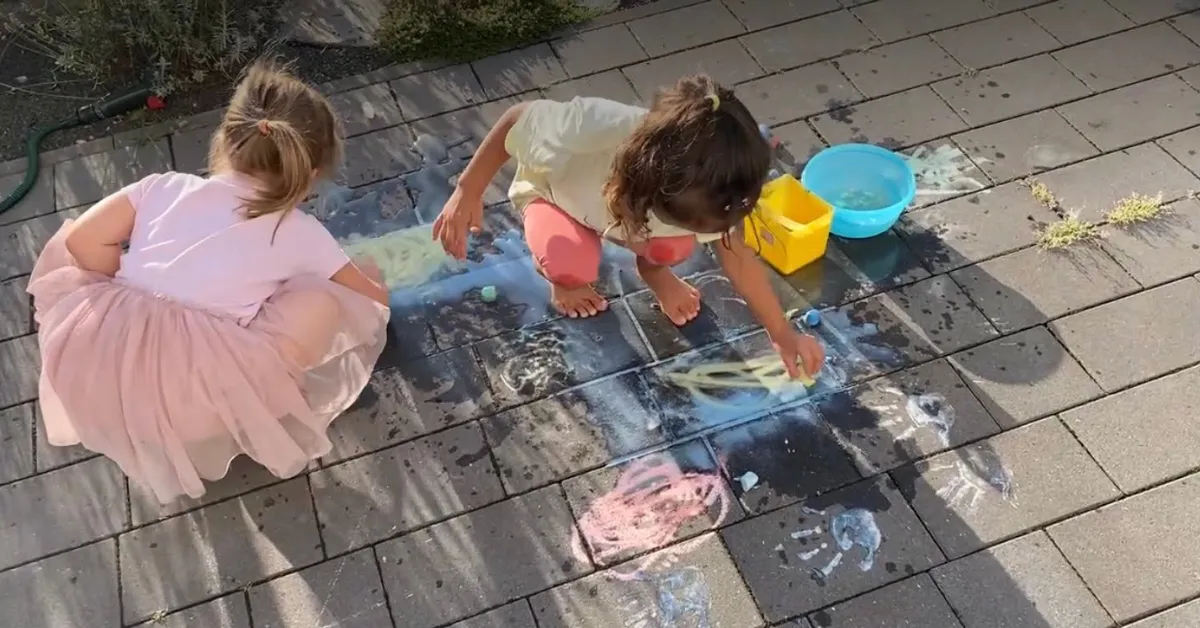
Unstructured free play allows children to use their imagination, creativity, and sense of adventure without adult intervention. They are free to create their own experiences, take risks and truly express themselves.
According to research, free play brings children highest levels of joy and activity. No wonder, that its decline is contributing to a growing number of problems amongst the youngest: mental health issues, technology addiction, poor fitness and loneliness.
One of the primary functions of play is to help us acquire crucial skills like social interaction, problem-solving, and creativity, which are essential for navigating our environment and forming strong social bonds.
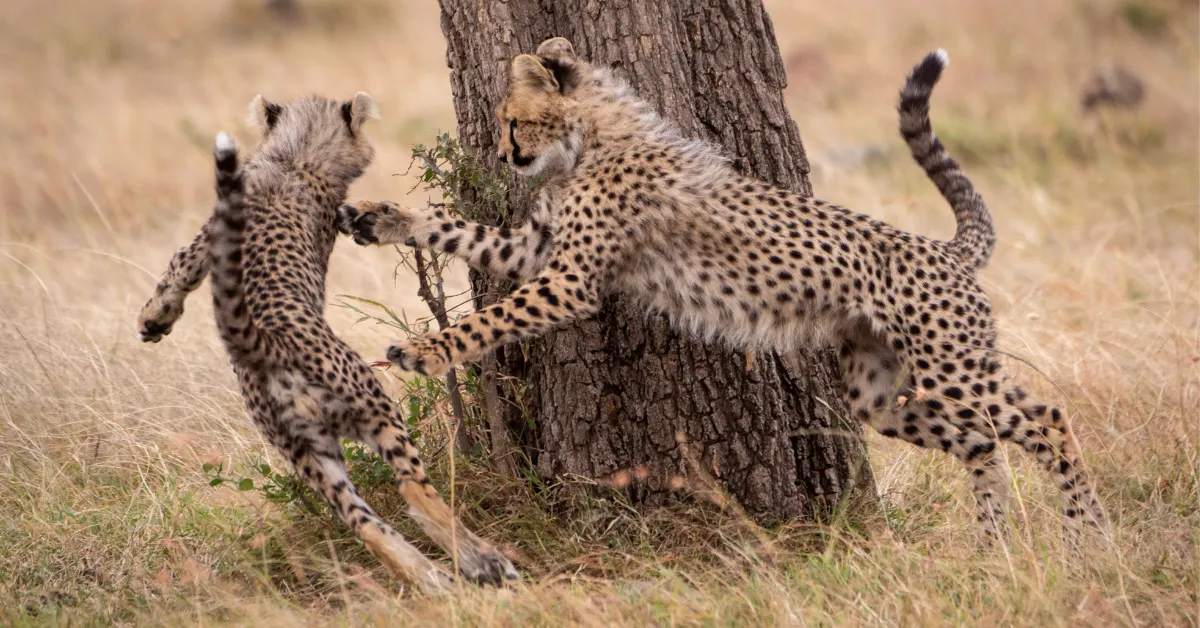
Play is common among juveniles across a number of animal species especially young mammals. It helps them practice survival skills, like coordination, social interaction, and problem-solving, in a safe environment. For young humans, play also builds creativity, language, and emotional resilience. It lets kids explore social rules and try out roles, which helps them grow into confident, adaptable adults.