
Children play very differently today from when their parents were children. Here are the main changes.
Access to technology
Children today have much easier access to their own devices: smartphones, tablets and consoles. So more and more of their playtime happens in front of a screen.
More organised activities
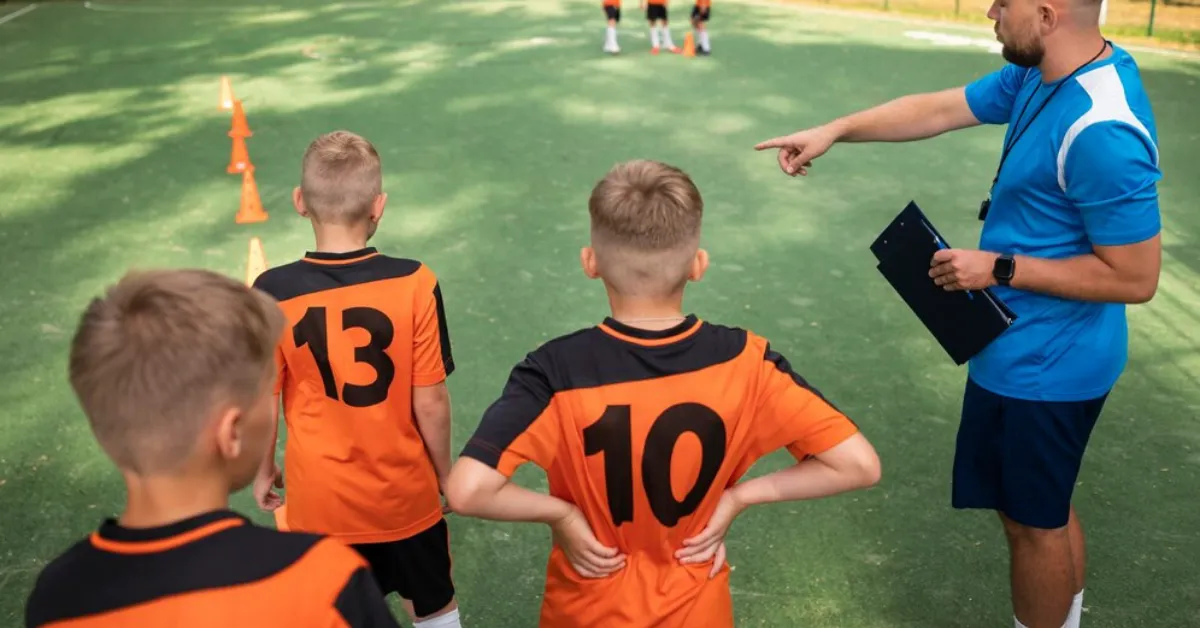
Many children go to sports training, music lessons or tutoring. That leaves them less time for free play.
Safety worries
Parents worry more about their children’s safety. Children are more often supervised by adults, and the part of the neighbourhood they can explore on their own is much smaller. Going out to play in the yard or the street has become rare.
A different parenting style
Parenting has become more intensive. Parents give their children more attention and time, which often means more planned activities and less free play.
Urbanisation
In cities, children have less access to nature and to places to play outdoors. There are more cars, and estate roads and car parks take over spaces where children used to play.
Changes at school
Many schools have cut breaks and physical education in favour of academic subjects, which reduces children’s chances to play. Because of staff shortages, many schools have shortened breaks to 5–10 minutes.
What can be done
Technology and organised activities can be good for children. When there is too much of them, they crowd out free play. Parents can keep some afternoons free during the week and limit screen time. Schools can lengthen breaks and send children outdoors. Local authorities can win back yards and streets for children.