
Childhood looks different today than it did a generation ago.
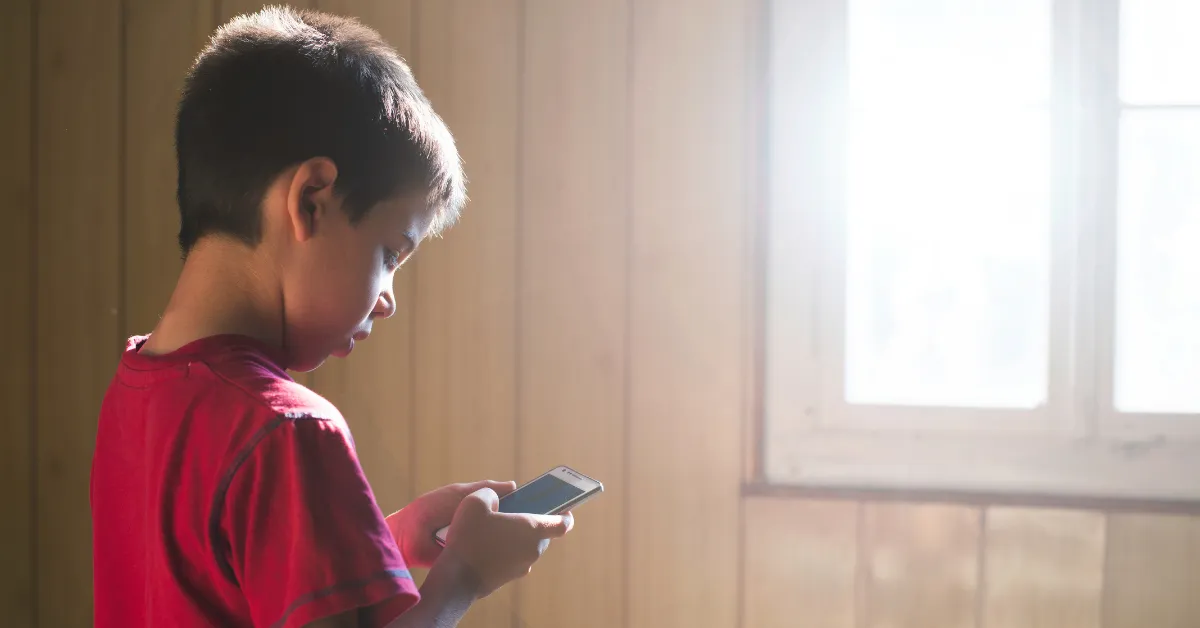
Many children get a smartphone by the age of ten. The phone gives them constant access to news, social media, influencers and trends that used to reach mostly adults. Some commentators argue that such early contact with this content pushes children to grow up too fast.
The trend even has a name: KGOY, or Kids Getting Older Younger. The term comes from marketing. It described children who were more and more aware of brands, and whom advertisers began to treat as little adults. Today the idea has moved beyond marketing and comes up in a broader question: are children losing their childhood too soon?
Screens and adult content
Children come across adult content earlier than they used to. Through screens they find material about beauty standards, violence, sexuality and global crises. They talk to strangers, often about things they aren’t emotionally ready for.
As a result they can seem more mature, especially in how they talk and what they know. But knowing about the adult world is different from being mature.
A slower road to adulthood
At the same time, research shows that young people reach the traditional milestones of growing up later than earlier generations did. They start dating, learn to drive, drink alcohol and leave home later. Some researchers link this to children growing up in a safer, more structured environment: parents are more involved, there are more rules and there are fewer chances to take risks.
So children meet the adult world earlier, but step into it more slowly.
What adults can do
Technology can expose children to content they aren’t ready for. It can also help them learn and stay in touch with friends. So it’s worth asking whether children get enough chances to practise independence in the real world.
Imagine your child knows a great deal about the adult world from the internet, but has never gone to the shop alone or worked out with friends what to play. They have the knowledge but not the practice. That practice comes from going out on their own and from free play with other children. In it, a child makes decisions, settles arguments and copes with small failures.
You can read more about supporting children’s independence in our article about Let Grow.